Master of Arts in Human Services
Advanced training for addiction treatment, case management, and community leadership
The Master of Arts in Human Services (MAHS) prepares you for human and social services work with individuals, families, and communities: substance use treatment, career development, case management, community health, and victim advocacy. In 39 credit hours, you build the counseling knowledge, assessment skills, and ethical grounding the work demands, without the 60-hour clinical load of a licensure-track degree.
Master of Arts in Human Services Program Features
The Master of Arts in Human Services (MAHS) at Kentucky Wesleyan College prepares graduates to deliver human and social services to individuals, families, and communities — with advanced training beyond the bachelor’s degree. In 39 credit hours, students build the counseling knowledge, assessment skills, and ethical grounding that human services work demands, without the 60-hour clinical load of a licensure-track counseling or social work degree.
The program is built for people entering or advancing in high-need fields: substance use treatment, career development, case management, community health, victim advocacy, and human services administration. Coursework is drawn from KWC’s Master of Arts in Clinical Mental Health Counseling curriculum and taught by the same faculty, so MAHS students learn alongside counseling students in small, cohort-based classes.
No other Kentucky institution currently offers a Master of Arts in Human Services. KWC’s program is distinctive in its breadth — one degree that opens pathways to substance use licensure, career counseling certification, and board certification in human services practice — and in its delivery: a cohort model with close faculty mentorship, offered primarily in person in Owensboro with some hybrid online coursework.
This program is pending approval by the Southern Association of Colleges and Schools Commission on Colleges.
Licensure and Certification Pathways
Designed for non-clinical practice
The MAHS is designed for non-clinical human services practice, and its 39 credit hours meet or exceed the educational requirements for a range of state licenses and national credentials. Each credential carries its own post-graduate supervised experience and examination requirements, completed after the degree.
Kentucky Licensed Alcohol and Drug Counselor (LADC)
Kentucky requires a 30-hour master’s degree in a human services field with clinical application from a regionally accredited institution, plus the education requirements set by the International Certification and Reciprocity Consortium (IC&RC) for the Alcohol and Drug Counselor (ADC) certification. The MAHS curriculum meets or exceeds both standards. After graduation, candidates complete 2,000 hours of supervised work experience in the ADC domains and 100 hours of domain-specific supervision, pass the IC&RC ADC examination, sign a code of ethics affirmation, complete additional training in ethics, domestic violence, and HIV, and submit two letters of reference from credentialed alcohol and drug counselors.
Indiana Certified Alcohol and Drug Addiction Consultant IV (CADAC IV)
The CADAC IV is an advanced treatment-level certification recognized by the Indiana Division of Mental Health and Addiction and the IC&RC, and a billable counseling service certification in Indiana Opioid Treatment Programs. After graduation, candidates complete 2,000 hours of supervised experience in the CADAC skills domains in a substance use treatment setting, 100 hours of direct domain-specific supervision, agree to the CADAC Code of Ethics, and pass the IC&RC AADC examination.
Advanced Alcohol & Drug Counseling (AADC) credential
The IC&RC’s AADC credential is an internationally recognized certification for substance use disorder and recovery professionals. Requirements after graduation mirror the CADAC IV: 2,000 hours of supervised experience, 100 hours of direct supervision across the skills domains, agreement to the code of ethics, and the IC&RC AADC examination.
Certified Career Counselor (CCC)
Offered by the National Career Development Association for master’s-level professionals engaged primarily in career counseling practice. After graduation, candidates complete one of three pathways: 600 hours of supervised career counseling experience, 60 hours of approved continuing education in career development, or the NCDA Facilitating Career Development course.
Human Services-Board Certified Practitioner (HS-BCP)
Offered by the Center for Credentialing & Education. Candidates need at least 15 semester hours across three or more of eleven content areas, including ethics in the helping professions, interviewing and intervention skills, and case management, all covered in the MAHS curriculum. After graduation, candidates verify 350 hours of human services work experience and pass the HS-BCP examination.
Additional specialty certifications
Graduates may also pursue credentials from the Clinical Certification Association of Licensed Professionals:
- Certified Parent Educator (CPE): evidence-based guidance for parents navigating behavioral, developmental, and emotional concerns
- Certified Anger Management Therapist (CAMT): addressing anger, irritability, and violence at both the symptom and root-cause level
- Certified Coercive Control Specialist (CCCS): survivor-centered intervention in psychological, emotional, and financial patterns of domestic abuse
Career Paths
Demand is strong and growing. The U.S. Bureau of Labor Statistics projects employment of substance abuse and behavioral disorder counselors and community health workers to grow much faster than the average for all occupations through 2034, and social and community service managers faster than average. The National Center for Health Workforce Analysis projects a national shortage of 77,050 addiction counselors by 2038, including shortages of 1,040 in Kentucky and 1,370 in Indiana.
Where graduates work
- Community mental health centers
- Hospitals and integrated care facilities
- Substance use treatment programs
- Schools, colleges, and universities
- Nonprofit and faith-based organizations
- Correctional and rehabilitative programs
- Private counseling practices
Roles graduates are prepared for
| Role | What the work involves |
| Substance Use Treatment Provider | Assessment, treatment planning, and intervention for clients with substance use disorders |
| Career Counselor | Helping clients identify strengths, interests, and values and connect them to career opportunities |
| Behavioral Health Case Manager | Coordinating care, referrals, and service plans for clients receiving mental health services |
| Behavioral Health Intake Specialist | Conducting screenings, gathering client information, and determining service eligibility |
| Care Coordinator | Helping individuals navigate health care and social service systems |
| Crisis Hotline Specialist | Crisis intervention, de-escalation, and referral by phone or text |
| Victim Advocate | Supporting victims of crime, domestic violence, or sexual assault through legal and social service processes |
| Patient Advocate | Helping patients understand treatment options and access resources |
| Community Outreach Specialist | Building relationships with community organizations and connecting people to services |
| Health Education Specialist | Designing and delivering programs that promote individual and community health |
| Academic Advisor | Supporting students with educational planning, retention, and goal attainment |
| Student Success Coach | Helping students overcome barriers to academic persistence and completion |
| College Admissions Counselor | Recruiting and advising prospective students through the admissions process |
| Training and Development Specialist | Designing employee education, onboarding, and professional development programs |
| Program Evaluator | Assessing outcomes and effectiveness of nonprofit, health care, or educational programs |
| Healthcare Compliance Specialist | Ensuring organizations meet HIPAA, CMS, OSHA, and other regulatory standards |
| Human Services Manager or Administrator | Leading programs, staff, and budgets in community and nonprofit organizations |
| Adjunct or Community College Instructor | Teaching psychology, human services, and general education courses |
The breadth of these settings, along with the option to pursue further specialization or doctoral study, gives graduates long-term career flexibility.
What You’ll Learn
Graduates of the MAHS program will be able to:
- Practice ethically and professionally. Apply the counseling profession’s history, values, and ethical standards, including the ACA Code of Ethics and applicable state codes, to decisions in practice.
- Apply counseling knowledge and skills. Use counseling theories and evidence-based techniques to build rapport, deliver interventions, and facilitate individual and group work.
- Work across development and difference. Tailor approaches to clients’ developmental stages and cultural backgrounds, practicing with cultural humility and advocating for diverse populations.
- Use assessment and research. Select, administer, and interpret assessments ethically; evaluate outcome research; and apply program evaluation to improve services.
- Support career and lifestyle development. Apply career development theory to help clients make informed decisions, recognizing how career, mental health, and life satisfaction interact.
- Practice as a human services professional. Formulate treatment plans, intervene across a range of presenting issues, conduct crisis and risk assessment, and collaborate with other professionals.
Student learning is assessed through coursework, recorded skills demonstrations, case studies, and the comprehensive exam.
Course Descriptions
All 39 credit hours are required. Every course is shared with KWC’s Master of Arts in Clinical Mental Health Counseling program.
COUN 599 ORIENTATION TO THE MAC/MAHS (0 credit hours) The MAC New Candidate Orientation is required of all new candidates. This orientation workshop begins the MAC graduate experience and provides the candidate’s indoctrination into the counseling program and profession. During this one-day workshop, candidates are introduced to the campus, campus services, college administration, and department faculty. It also allows an integrative discussion of the requirements of the MAC program. Candidates are oriented to the Graduate College Catalog, the Candidate Handbook, and the Field Placement Handbook. Additionally, candidates are oriented to their ethical and professional obligations and personal growth expectations as counselors-in-training. Finally, counselors-in-training will be oriented to licensure requirements and eligibility in Kentucky, Indiana and surrounding states. (Fall Year 1)
Prerequisites: Admission to the MAC or MAHS program
COUN 600 History & Philosophy of Mental Health Counseling (3 credit hours) This foundational course examines the historical development, philosophical underpinnings, and professional identity of the counseling profession, with particular emphasis on clinical mental health counseling. Students explore the evolution of counseling from vocational guidance to contemporary mental health practice, including key historical figures, movements, and legislative milestones that shaped the profession. The course addresses professional roles, functions, and relationships with other mental health disciplines within diverse practice settings. Students examine professional organizations, credentialing bodies, licensure requirements, and advocacy processes essential to clinical mental health counseling identity. Emphasis is placed on understanding counseling as a distinct profession with unique philosophical foundations rooted in wellness, prevention, advocacy, empowerment, and normal human development across the lifespan. Students explore the mental health service delivery system, including healthcare policy. The course integrates social justice, multicultural competence, and advocacy as core professional values, examining systemic barriers to mental health access and counselors’ roles in promoting equity. Students develop professional identity through exploration of counseling philosophy, ethical decision-making frameworks, and self-care strategies for professional resilience. They will learn about current labor market information and occupational outlook relevant to opportunities for practice within the counseling profession. (Fall Year 1)
Prerequisites: Admission to the MAC or MAHS program
COUN 605 THEORIES OF COUNSELING AND CONSULTATION (3 credit hours.) This foundational course provides comprehensive examination of major counseling and consultation theories and strategies and their application to clinical practice. Students explore the seminal theories of counseling and psychotherapy. Emphasis is placed on understanding theoretical frameworks as integrated systems for conceptualizing client concerns, establishing therapeutic relationships, and implementing evidence-based interventions. Students critically examine each theory’s view of human nature, personality development, psychopathology, assessment strategies, and change mechanisms. The course addresses multicultural and social justice considerations inherent in theoretical application, exploring how counselor and client worldviews influence the therapeutic process. Through case conceptualization exercises, students develop skills in applying theoretical principles to diverse client populations across the lifespan, including consideration of developmental, cultural, gender, and contextual factors. Students examine their developing theoretical orientation and explore the integration of counselor characteristics, behaviors, and personal values with theoretical frameworks. Course activities include comparative analysis of theories, experiential exercises, and counseling demonstration videos. (Spring of Year 1)
Prerequisites: COUN610 Counseling Techniques & Practices
COUN 610 COUNSELING TECHNIQUES & PRACTICE (3 Credit Hours) This skills-based course provides systematic training in essential counseling competencies and evidence-based intervention strategies for clinical practice. Students develop foundational helping skills including active listening, reflection, paraphrasing, summarizing, questioning, confrontation, and interpretation through structured practice and feedback. The course addresses therapeutic relationship development, including establishing rapport, demonstrating empathy, maintaining appropriate boundaries, and navigating cultural differences in the counseling process. Students learn problem identification, progress monitoring techniques and clinical documentation standards. The course prepares students for clinical practicum through application of counseling skills in simulated sessions (COU503-L), self-assessment of counselor characteristics and behaviors, and development of a personal framework for effective helping relationships. (Fall Year 1)
Prerequisites: Admission to the MAC or MAHS program. Must be taken with COU503-L.
COUN 610-L COUNSELING TECHNIQUES LAB (0 credit hours) This is the Laboratory component of COU503 in which candidates work in the Counseling Lab to develop and practice the skills they are learning in the instruction component of the course. Students engage in supervised role-play experiences with peer and instructor feedback, developing competency in implementing counseling techniques while integrating multicultural sensitivity and ethical decision-making. Video-recorded practice sessions allow students to evaluate their developing counselor skills, non-verbal communication, and therapeutic presence.
Must be taken with COUN610. (Fall Year 1)
COUN 615 LIFESPAN DEVELOPMENT (3 credit hours) This course examines human growth and development across the lifespan from biological, neurological, psychological, social, and cultural perspectives, with emphasis on trauma-informed approaches to clinical mental health counseling. Students explore major developmental theories and their application to counseling practice, including cognitive, psychosocial, moral, and ecological frameworks that inform understanding of normative and atypical development from conception through death. The course addresses developmental stages and transitions, including physical, cognitive, emotional, social, and identity development across infancy, childhood, adolescence, adulthood, and late life. Students examine developmental tasks, milestones, and crisis points characteristic of each life stage, considering how trauma exposure affects developmental trajectories and long-term functioning. Significant emphasis is placed on understanding the neurobiological, psychological, and social impact of trauma across developmental periods. Students learn trauma-informed counseling principles and developmentally-appropriate interventions that promote healing and resilience. The course examines factors affecting development including biological influences, family systems, cultural contexts, socioeconomic conditions, disability, addictive behaviors, psychopathology, and environmental stressors. Students integrate developmental perspectives with mental health counseling approaches, learning to conceptualize client concerns within developmental contexts and recognize how timing of trauma influences symptom presentation and treatment needs. Family development stages, career development patterns, and systemic influences on individual growth are examined through a trauma-sensitive lens. (Fall Year 1)
Prerequisites: Admission to the MAC or MAHS program
COUN 618 LEGAL AND ETHICAL ISSUES IN COUNSELING (3 credit hours). This course provides comprehensive training in ethical standards, legal requirements, and professional responsibilities essential to counseling practice. Students examine the ACA Code of Ethics and standards of affiliated professional organizations, including the American Mental Health Counselors Association (AMHCA), developing competency in applying ethical principles to complex clinical situations. The course addresses legal and regulatory frameworks governing counseling practice, including state licensure laws, scope of practice boundaries, mandatory reporting requirements, duty to warn and protect, HIPAA regulations, and documentation standards. Students explore the legal dimensions of informed consent, confidentiality and its limits, minor client rights, subpoenas, and court testimony. Emphasis is placed on ethical decision-making models for navigating dilemmas involving multiple stakeholders, competing values, and ambiguous situations. Students examine ethical considerations across professional domains including competence boundaries, dual relationships, supervision responsibilities, multicultural practice. Emerging ethical issues are addressed, including artificial intelligence in counseling, social justice advocacy, social media use, and equity in service delivery. Students develop awareness of personal values and biases that influence ethical reasoning and practice. Course activities include case analysis, ethics consultation exercises, and development of personal ethical frameworks aligned with professional standards. Students demonstrate competency in identifying ethical concerns, consulting relevant codes and laws, applying systematic decision-making protocols, and implementing ethically sound courses of action. (Fall Year 2)
Prerequisites: COUN605 Theories of Counseling & Consultation
COUN 620 LIFESTYLE & CAREER DEVELOPMENT (3 credit hours) This course provides comprehensive training in career development theories, assessment, and intervention strategies across the lifespan. Students examine major career development theories including trait-factor, developmental, social cognitive, constructivist, and ecological approaches, learning to apply theoretical frameworks to diverse client populations and career concerns. The course addresses career development processes including vocational identity formation, career decision-making models, occupational information resources, labor market trends, and the changing nature of work in global economies. Students explore the interplay between work, family roles, leisure, and life satisfaction, recognizing career development as integral to overall wellness and lifestyle design. Emphasis is placed on career assessment instruments and techniques, including interest inventories, values clarifications, skills assessments, and card sorts. Students develop competency in interpreting career assessments, facilitating career exploration, and supporting clients through career transitions, job search strategies, and workplace adjustment challenges. The impact of diversity factors on career development is examined, including gender, race, ethnicity, socioeconomic status, disability, sexual orientation, and immigration status. Students explore systemic barriers to career access, occupational stereotyping, and strategies for promoting equity in career opportunities. Course content addresses career counseling with specific populations including adolescents, college students, adults in transition, displaced workers, and individuals with disabilities. Students learn to integrate career concerns with personal counseling issues, recognizing the psychological dimensions of work-related stress, unemployment, underemployment, and retirement adjustment. (Summer Year 1)
Prerequisites: COUN605 Theories of Counseling & Consultation
COUN 625 SOCIAL JUSTICE & DIVERSITY (3 credit hours) This course develops multicultural and social justice competencies essential to ethical, culturally-responsive counseling practice. Students examine theories and models of multicultural counseling, social justice, and advocacy, exploring their application across diverse client populations and systemic contexts. The course addresses the impact of heritage, attitudes, beliefs, understandings, and acculturative experiences on individuals’ worldviews, identity development, and help-seeking behaviors. Students explore the intersectionality of multiple identities including race, ethnicity, culture, language, age, gender, gender identity, sexual orientation, spirituality, religion, ability status, socioeconomic class, immigration status, and other dimensions of diversity. Emphasis is placed on developing self-awareness of personal cultural values, biases, and assumptions, and their influence on the counseling relationship. Students examine privilege, oppression, discrimination, and systemic barriers affecting marginalized populations. Strategies for eliminating biases, prejudices, and intentional and unintentional oppression and discrimination are explored. Students learn to adapt evidence-based interventions to diverse cultural contexts, and advocate for equitable access to services. The impact of cultural differences on counseling theory assumptions, therapeutic relationships, assessment validity, and intervention effectiveness is critically examined. The course integrates social justice advocacy competencies, including identifying systemic inequities, challenging discriminatory practices, and promoting institutional change. Students develop skills in community collaboration, culturally-appropriate resource identification, and empowerment-based approaches that honor client cultural strengths and resilience. (Fall Year 2)
Prerequisites: COUN605 Theories of Counseling & Consultation
COUN 630 THEORY & PRACTICE OF GROUP COUNSELING (3 credit hours) This course provides comprehensive training in group counseling theory, dynamics, and leadership skills essential to clinical mental health practice. Students examine theoretical approaches to group work including psychodynamic, person-centered, Gestalt, cognitive-behavioral, solution-focused, and interpersonal process models, learning to apply theoretical frameworks to group facilitation. The course addresses group development stages, including forming, storming, norming, performing, and terminating phases, with emphasis on recognizing stage-specific dynamics and implementing appropriate leadership interventions. Students explore group process concepts including cohesion, therapeutic factors, norms, roles, resistance, conflict resolution, and interpersonal learning within group contexts. Emphasis is placed on developing group leadership skills including screening and selection of members, establishing group structure and goals, facilitating meaningful interaction, managing challenging behaviors, promoting safety and trust, and evaluating group effectiveness. Ethical and legal considerations specific to group work are examined, including confidentiality limitations, informed consent, dual relationships, and competence boundaries. Students learn to design and facilitate counseling groups for diverse populations and purposes, including psychoeducational, support, counseling, and psychotherapy groups. Cultural considerations in group composition, communication patterns, and intervention strategies are integrated throughout. Experiential learning is central to skill development. Students participate as members in a counseling group experience and facilitate at least one group session under supervision, receiving feedback on leadership style, intervention effectiveness, and group management skills. (Spring Year 2)
Prerequisites: COUN610 Counseling Techniques & Practice
COUN 635 ASSESSMENT IN COUNSELING (3 credit hours) This course develops competency in assessment methods, psychological testing, and evaluation procedures essential to clinical mental health counseling practice. Students examine fundamental concepts of standardized and non-standardized assessment, including reliability, validity, measurement error, scoring, interpretation, and ethical application of assessment instruments. The course addresses diverse assessment approaches including clinical interviews, mental status examinations, symptom inventories, personality assessments, cognitive measures, and behavioral observations. Students learn to select, administer, score, and interpret psychometric instruments appropriate to client needs, developmental stages, and presenting concerns. Emphasis is placed on understanding statistical concepts underlying test interpretation, including normative data, standard scores, confidence intervals, and clinical significance. Students develop psychological report writing skills, learning to integrate assessment data into coherent case conceptualizations that inform treatment planning and clinical decision-making. Training includes communicating assessment results effectively to clients, families, and referral sources while maintaining cultural sensitivity and ethical standards. Cultural, contextual, and environmental factors affecting assessment validity are examined, including the influence of gender, ethnicity, language, disability, and socioeconomic status on test performance and interpretation. Students explore bias in assessment instruments and develop culturally-responsive evaluation practices. Experiential learning includes conducting a comprehensive psychological evaluation with an undergraduate volunteer, including test selection, administration, scoring, interpretation, and preparation of a professional psychological report with instructor supervision and feedback. (Spring Year 1)
Prerequisites: COUN610 Counseling Techniques & Practices
COUN 638 PSYCHOPHARMACOLOGY & SUBSTANCE ABUSE (3 credit hours) This course provides comprehensive training in psychopharmacology and the neuropsychology and medical treatment of substance use disorders essential to clinical mental health counseling practice. Students examine major classifications of psychotropic medications including antidepressants, anxiolytics, mood stabilizers, antipsychotics, and stimulants, exploring their mechanisms of action, therapeutic indications, side effects, and impact on client behavior and mental processes. The course addresses the neurobiological foundations of mental illness and addiction, including how psychoactive substances affect brain chemistry, neurophysiology, and behavior. Students develop competency in recognizing medication effects, understanding drug interactions, monitoring client responses to pharmacological treatment, and collaborating effectively with prescribers and interdisciplinary treatment teams. Substance use disorders are examined through multiple theoretical frameworks including disease models, biopsychosocial perspectives, and evidence-based treatment approaches. Students learn to understand and recognize intoxication, withdrawal syndromes, and co-occurring mental health conditions. (Summer Year 2)
Prerequisites: COUN640 Psychopathology & Diagnosis
COUN 640 PSYCHOPATHOLOGY & DIAGNOSIS (3 credit hours) This course provides comprehensive training in the diagnosis and treatment of mental and emotional disorders across the lifespan. Students develop competency in utilizing the DSM-5-TR diagnostic classification system, including multiaxial assessment, differential diagnosis, and understanding of co-occurring disorders. Emphasis is placed on recognizing symptom patterns, applying diagnostic criteria, and distinguishing between similar presentations through systematic clinical reasoning. The course examines the etiology, epidemiology, and clinical presentation of major psychopathological conditions, including mood disorders, anxiety disorders, trauma-related disorders, psychotic disorders, personality disorders, substance-related disorders, and neurodevelopmental conditions. Students explore evidence-based treatment approaches matched to specific diagnoses, considering developmental, cultural, and contextual factors in treatment selection. Students develop case conceptualization skills by integrating diagnostic assessment with theoretical frameworks to formulate comprehensive treatment plans. Training includes conducting diagnostic interviews, mental status examinations, risk assessments, and collaborative goal-setting with clients. The impact of trauma on individuals with mental health diagnoses is addressed. Experiential learning includes weekly case analysis requiring diagnostic formulation and treatment planning. Students participate in two supervised laboratory sessions with patients (actors portraying clients), applying diagnostic interviewing skills in simulated clinical environments with instructor feedback. This integrated approach prepares students for ethical, culturally-responsive diagnostic practice in clinical mental health settings. (Spring Year 1)
Prerequisites: COUN610 Counseling Techniques & Practice
COUN 645 RESEARCH METHODS AND PROGRAM EVALUATION (3 credit hours) This course develops competency in research methodology, statistical analysis, and program evaluation essential to evidence-based counseling practice. Students examine research designs including experimental, quasi-experimental, single-case, action research, and qualitative methodologies, learning to evaluate research validity, reliability, and applicability to clinical practice. The course addresses the counselor’s role as both consumer and producer of research, emphasizing critical evaluation of counseling literature, identification of evidence-based practices, and integration of research findings into clinical decision-making. Students explore ethical and culturally relevant research strategies, including informed consent, participant protection, cultural validity, and responsible dissemination of findings. Emphasis is placed on quantitative and qualitative data analysis techniques. Students develop proficiency in descriptive and inferential statistics, including measures of central tendency, variability, correlation, t-tests, ANOVA, regression, and chi-square analyses. Qualitative analysis methods including thematic coding, phenomenological approaches, and grounded theory are examined. Program evaluation principles and models are addressed, including needs assessment, formative and summative evaluation, outcome measurement, and quality improvement processes. Students learn to design evaluation frameworks that assess counseling program effectiveness, client outcomes, and service delivery efficiency. Students develop practical skills in formulating research questions, reviewing literature, selecting appropriate methodologies, analyzing data, interpreting results, and communicating findings through professional writing and presentation. Course activities include critiquing published research, designing program evaluation plans, and conducting statistical analyses. (Fall Year 2)
Prerequisites: COUN605 Theories of Counseling & Consultation
COUN 650 CRISIS, TRAUMA & ADDICTIONS COUNSELING (3 credit hours) This course provides comprehensive training in evidence-based approaches for crisis intervention, trauma-informed counseling, and addiction treatment. Students examine the neurobiological, psychological, and social impacts of crisis, trauma, and substance use disorders, developing competencies in intervention strategies across the lifespan, diverse populations, and settings. The course addresses theories and etiology of addictions and addictive behaviors, exploring the complex interrelationship between trauma exposure and substance use disorders. The psychological dynamics and family patterns associated with addiction are explored alongside prevention strategies and harm reduction approaches. Students learn to recognize and treat co-occurring conditions, understanding how trauma and addiction mutually influence symptom presentation, treatment engagement, and recovery outcomes to develop culturally-responsive approaches. Evidence-based addiction interventions including motivational interviewing, relapse prevention, harm reduction, and medication-assisted treatment are examined. Students develop crisis intervention skills applicable to specific situations including suicide risk, homicide risk, intimate partner violence, sexual assault, natural disasters, and terrorism. Emphasis is placed on suicide and homicide risk assessment, safety planning, trauma-informed care principles, and community-based intervention strategies. The impact of crisis, disaster, and trauma on individuals with mental health and substance use diagnoses is explored. Students learn assessment procedures for trauma, crisis situations and addiction severity, including screening instruments, diagnostic interviewing, and collaborative treatment planning. Referral processes, case management strategies, and coordination with community resources are addressed. The course emphasizes the impact of addiction on clients, families, and communities, along with essential counselor self-care strategies for preventing vicarious trauma and professional burnout. Ethical and legal considerations in working with substance-using clients complete the course focus. (Spring Year 2)
Prerequisites: COUN605 Theories of Counseling and Consultation
COUN 699 COMPREHENSIVE EXAM (0 credit hours) All MAHS students must pass the comprehensive exam in their final term to be eligible for graduation. The exam covers eight core areas: professional orientation and ethical practice, social and cultural diversity, human growth and development, career development, counseling and helping relationships, group work, assessment and testing, and research and program evaluation. It consists of 200 multiple-choice questions across eight subtests, with a minimum standard score of 85 required on each, and is administered three times a year: January for May graduates, June for August graduates, and September for December graduates.
Prerequisites: Completion of all other MAHS coursework
Master of Arts in Human Services Program Requirements
The Master of Arts in Human Services requires 39 graduate credit hours. All 39 hours are required, and every course is shared with KWC’s Master of Arts in Clinical Mental Health Counseling program, so students progress through a structured cohort alongside counseling students. Full-time students complete the program in six terms, including two summers; part-time students follow a three-year sequence built with their advisor. To graduate, students must complete all 39 credit hours and earn a passing score on the comprehensive exam in their final term.
The curriculum meets or exceeds the educational requirements for Kentucky LADC licensure, Indiana CADAC IV certification, the IC&RC AADC credential, the NCDA Certified Career Counselor credential, and the Human Services-Board Certified Practitioner credential.
Sample Two-Year Plan
| Term | Course | Credits |
|---|---|---|
| Fall Year 1 | ||
| COUN 599 | Orientation to the MAC/MAHS | 0 |
| COUN 600 | History & Philosophy of Mental Health Counseling | 3 |
| COUN 610 | Counseling Techniques and Practices (with COUN 610-L Lab) | 3 |
| COUN 615 | Lifespan Development | 3 |
| Term total | 9 | |
| Spring Year 1 | ||
| COUN 605 | Theories of Counseling and Consultation | 3 |
| COUN 635 | Assessment in Counseling | 3 |
| COUN 640 | Psychopathology & Diagnosis | 3 |
| Term total | 9 | |
| Summer Year 1 | ||
| COUN 620 | Lifestyle & Career Development | 3 |
| COUN 638 | Psychopharmacology & Substance Abuse | 3 |
| Term total | 6 | |
| Fall Year 2 | ||
| COUN 618 | Legal and Ethical Issues in Counseling | 3 |
| COUN 625 | Social Justice & Diversity | 3 |
| COUN 645 | Research Methods and Program Evaluation | 3 |
| Term total | 9 | |
| Spring Year 2 | ||
| COUN 630 | Theory & Practice of Group Counseling | 3 |
| COUN 650 | Crisis, Trauma & Addiction Counseling | 3 |
| COUN 699 | Comprehensive Exam | 0 |
| Term total | 6 | |
| Program total | 39 | |
Comprehensive Exam
All MAHS students must pass the comprehensive exam in their final term to be eligible for graduation. The exam covers eight core areas: professional orientation and ethical practice, social and cultural diversity, human growth and development, career development, counseling and helping relationships, group work, assessment and testing, and research and program evaluation. It consists of 200 multiple-choice questions across eight subtests, with a minimum standard score of 85 required on each, and is administered three times a year: January for May graduates, June for August graduates, and September for December graduates.
Every student works with an advisor to customize their plan of study while meeting all requirements for graduation and for the licensure or certification they intend to pursue.
Four + One: Finish Your Master’s in One Additional Year
Current Kentucky Wesleyan undergraduates can complete the MAHS in one additional year through the Four + One accelerated pathway. The pathway is open to students from most majors, not only psychology, and lets KWC students move directly from the bachelor’s degree into graduate study without leaving Owensboro.
Talk with your academic advisor early, ideally by your sophomore or junior year, to map out the sequence.
Admission and How to Apply
Admission requires a bachelor’s degree from an accredited institution, official transcripts, a personal goals statement, a current resume or CV, and a criminal background check. GRE scores are not required unless the applicant has an undergraduate GPA below 3.0. There is no application fee.
- Submit your application here.
- Upload a current resume or CV and a personal goals statement with your application.
- Send official transcripts from every college or university you attended to Kentucky Wesleyan College.
- Complete a criminal background check.
International applicants
Applicants who attended college outside the United States must submit an English proficiency test score. Transcripts from all institutions must be translated into English. A third-party transcript evaluation is not required to apply.
Application deadlines
Fall 2027 – application deadline May 1, 2027
Spring 2028 – application deadline September 1, 2027
Questions About the Program
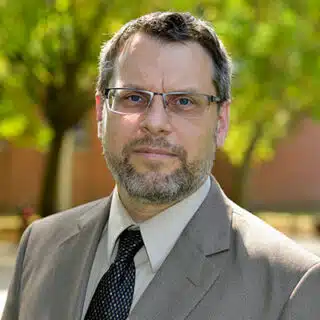
Daniel R. Cruikshanks, Ph.D., LPC
Professor of Psychology and Counselor Education and Program Director, Master of Arts in Human Services
daniel.cruikshanks@kwc.edu
Learn more about Dr. Cruikshanks
Questions about the application process? Contact the Office of Admissions at 270-852-3120 or admissions@kwc.edu.